


The landscape of digital productivity is undergoing a seismic shift. With recent advances in AI and deep integration across platforms, tech giants like Google are positioning themselves to dominate end-to-end productivity solutions for Busy Professionals. This transformation isn’t about incremental updates—it’s about redefining how we approach automation, collaboration, and data management at the core of our workflows.
The Rise of Google as the Ultimate Productivity Hub
Over the past year, Google has gradually consolidated its position as a powerhouse in the productivity space. With tools like Gmail, Google Docs, Sheets, Calendar, and the rapid evolution of Gemini AI, everything is becoming more interconnected. This seamless ecosystem reduces the need for third-party tools and workarounds, allowing users to operate within a single environment.
What makes Google truly compelling now is its move toward AI-powered automation. Imagine waking up to a fully prepared status report, custom insights from your documents, and smart replies for your emails—delivered effortlessly. This kind of automation is no longer a futuristic fantasy but an imminent reality with Gemini and emerging tools like NotebookLM.
AI Integration: From Novelty to Necessity
Claude and Gemini are now delivering real value far beyond chat interfaces. Their integration into tools like Google Docs and Sheets means that Busy Professionals can now interact with their work in natural language, generating structured content, conducting in-depth analysis, and even managing projects—all from within the apps they already use.
Claude, in particular, excels when paired with Google Workspace, using APIs to fetch deeper insights and ensure data reliability. While some automations like CRON jobs remain restricted in tools like Claude, the trajectory is clear: AI will soon be deeply embedded into every facet of professional workflows.
Collaboration Tools That Actually Work
One standout advantage of Google Workspace is its native collaboration capabilities. Google Docs and Sheets offer real-time collaboration with threaded comments, task assignments, and contextual links to specific cells or paragraphs. These features are critical for teams managing dynamic workflows and needing constant alignment.
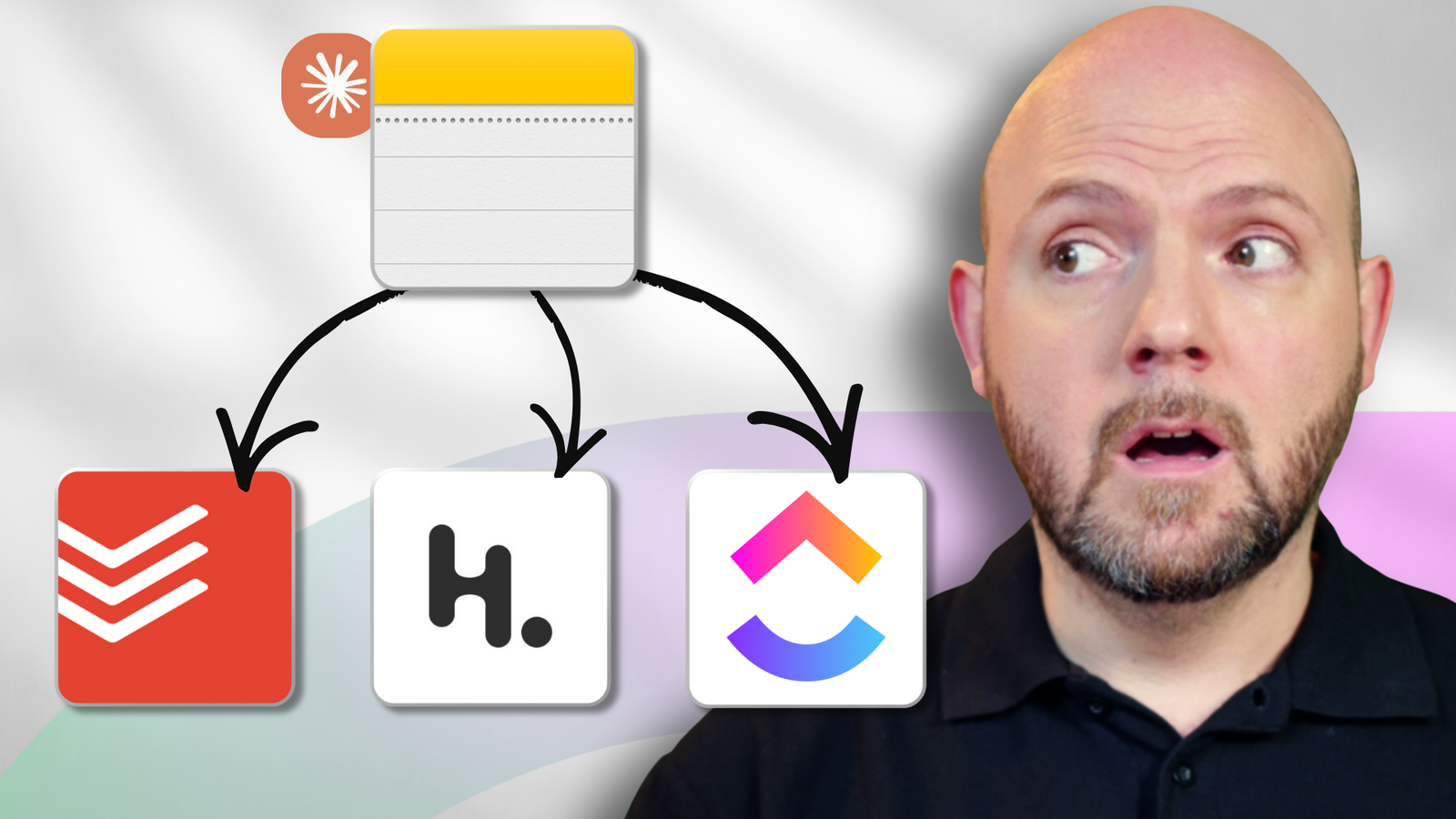
Moreover, Google Tasks ties directly into these tools, providing a light but functional Task Management layer. While Google still lacks a full-fledged Project Management tool—Google Tables didn’t succeed—third-party integrations like ClickUp offer viable workarounds.
Rethinking Note-Taking and Personal Knowledge Management
With AI tools like NotebookLM being trained on user content and Google Keep simplifying quick capture, traditional Note-Taking apps are starting to feel redundant. Why take notes manually when AI can synthesize, organize, and retrieve insights on demand?
The broader implication is a shift in how we view Personal Knowledge Management. It’s no longer just about storing information—it’s about making it dynamic, queryable, and context-aware, without leaving your primary workspace.
A Future-Proof Framework with ICOR®
This is where the ICOR® methodology comes into play. When applied within Google Workspace, ICOR® provides a structured, holistic system to master all areas of productivity—from Email Management to Task Management, and even Project Management with the right integrations.
We invite you to explore myICOR. Whether you’re optimizing your email workflow or building a robust productivity system, there’s a course tailored to your needs.
Google is building the infrastructure. ICOR® is the blueprint to make it work for you.